Decoding Dumpster Rental Costs: A Comprehensive Guide for Columbus Residents
September 29, 2026
Let's be honest for a second: nobody wakes up excited to rent a dumpster. You just want the junk gone,…
Master dumpster rentals with our tips on permits, HOA rules, and placement to avoid fines and neighbor complaints—ensuring a stress-free experience!
So you’re staring down a home renovation, a garage cleanout, or a construction job, and you’ve decided a roll-off dumpster rental is the way to go. Smart move. But here’s the part nobody tells you until it’s too late: dropping a dumpster in the wrong spot can land you a fine, a neighbor complaint, or a very awkward call from your HOA. Nobody wants that.
Let’s break down what you actually need to know before you rent, so your dumpster rental experience is smooth instead of stressful.
Here’s the thing — a dumpster isn’t just a big box you toss stuff into. Where you put it can trigger permits, city codes, and HOA rules you didn’t even know existed. Think of it like parking a moving truck on your street. Leave it in your driveway for a day? No big deal. Leave it blocking traffic for two weeks? Now you’ve got a problem.
“Right of way” basically means anything that touches public property — the street, the curb, or sometimes even the sidewalk in front of your house. If your dumpster sits entirely on your own driveway or yard, you’re usually in the clear. But the second it touches the street or curb, cities like Columbus require a specific permit before that dumpster ever gets dropped off.
Why? Because the street belongs to everyone, not just you. The city wants to make sure emergency vehicles can get through, mail carriers can do their rounds, and your neighbors aren’t dodging a metal container to get to work in the morning.
This trips people up constantly, so let’s simplify it:
Columbus and surrounding areas take this seriously, and honestly, so should you. A missed permit isn’t just an inconvenience — it can mean fines, a forced dumpster relocation, or your rental sitting there uselessly while you sort out paperwork you should’ve handled up front.
Permits are one thing. HOAs are a whole different beast. If you live in a neighborhood with a homeowners association, chances are there’s a rule buried in your HOA handbook about temporary structures, dumpsters, or “unsightly” equipment on your property.
Some HOAs are chill about it as long as the dumpster isn’t there for a month. Others? They’ll send a warning letter before your delivery driver even leaves the driveway. Seriously — check your HOA guidelines before your residential dumpster rental shows up, because avoiding a headache is way easier than fixing one after the fact.
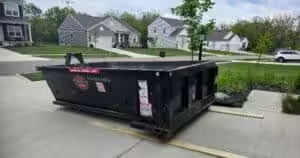
Here’s a little secret: picking the right size dumpster isn’t just about cost — it’s about avoiding the need for placement in tricky spots. A smaller 6 yard dumpster or 8-yard dumpster might fit neatly in your driveway for a bathroom remodel, while a 20-yard dumpster or 25-yard dumpster for a major construction project might need more planning (and possibly that permit we talked about).
Not sure what size fits your project? Here’s the general breakdown:
Choosing the first time correctly means fewer surprises, less hassle with placement, and dumpster rental prices that actually make sense for your project.
Look, permits and HOA rules sound like a headache because, well, they can be. But here’s the good news: you don’t have to figure it all out solo. That’s literally what The Dumpster Professional is here for.
Whether you’re in Columbus, Delaware, or Ostrander, OH, our team knows the local permit requirements, right-of-way rules, and even the quirks of different HOA policies in the area. We’ll help you pick the right size — from a compact 6 yard dumpster to a heavy-duty 25 yard dumpster — and we’ll make sure your placement is compliant from day one. No guessing games, no surprise fines, no awkward emails from your HOA board.
A dumpster rental should make your project easier, not add another thing to stress about. Knowing the difference between your driveway and the public right of way, understanding your HOA’s rules, and choosing the correct size dumpster upfront will save you time, money, and a whole lot of frustration.
Ready to get your project moving without the permit panic? The Dumpster Professional offers affordable dumpster rental options, fast delivery, and local know-how you won’t get from a big national chain.
Give us a call, tell us about your project, and let’s find the right dumpster — and the right placement — together. Your driveway (and your HOA) will thank you.